Think clearly
Interpret the task, organize information, notice patterns and explain what is known.


Students make stronger progress when they understand the goal, work at the right level and receive clear feedback about what should come next.
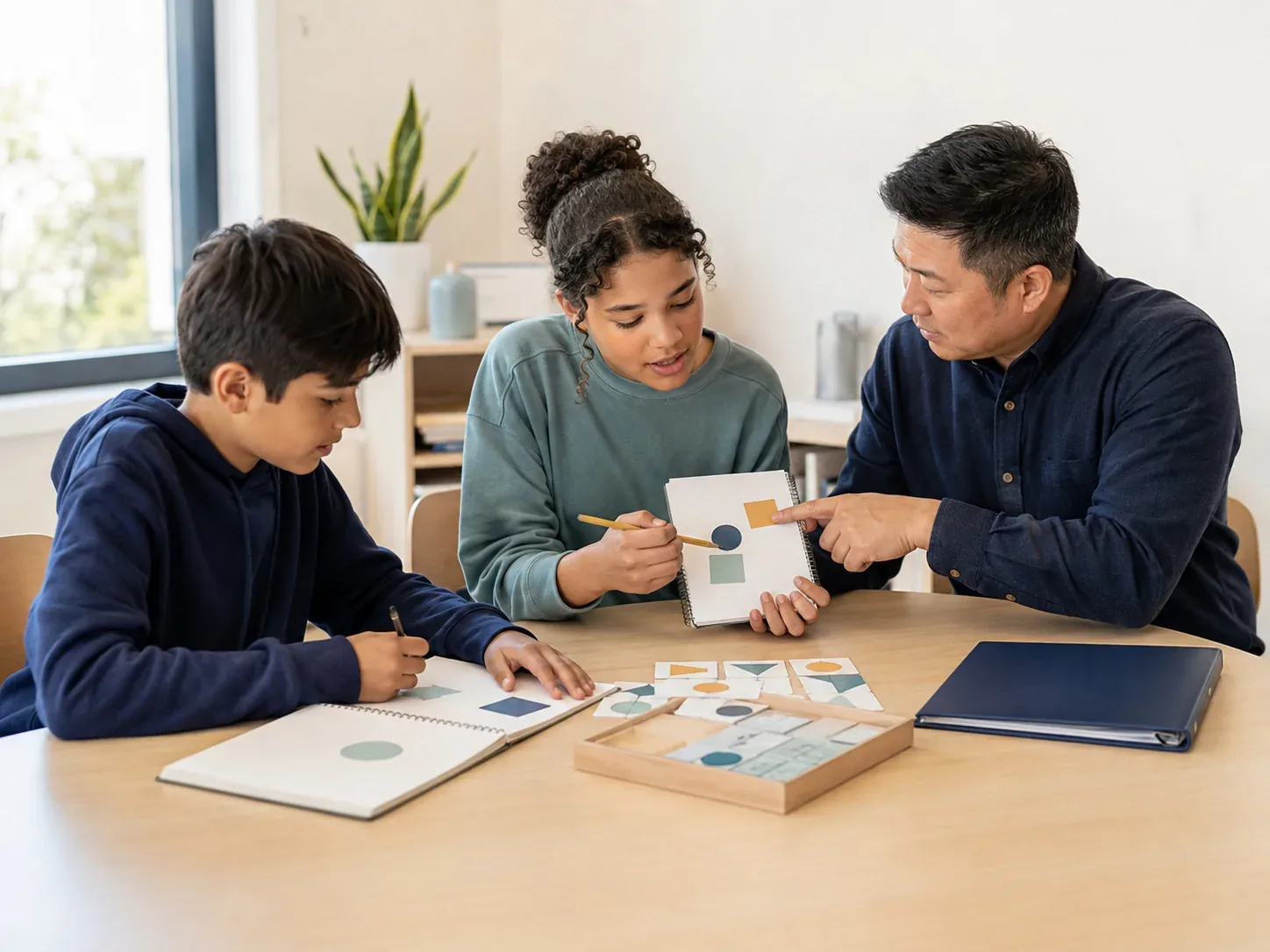 Observe · adjust · progress
Strong foundations make challenge productive. Productive challenge builds independence. Independence allows students to apply what they know with confidence.
Interpret the task, organize information, notice patterns and explain what is known.
Work through appropriately difficult tasks, learn from errors and adjust strategies.
Apply skills with less prompting and evaluate the quality of the result.
We do not require a separate test. The student starts with a class selected by age, grade and experience, then the instructor adjusts the level from real classroom performance.

We review grade, age, goals and prior experience.
The student participates in an age-appropriate instructor-led lesson.
The instructor looks at pace, accuracy, independence, confidence and challenge level.
We move the student up or down if the lesson feels too easy or too difficult.
Professional instruction is not defined by giving students more work. It is defined by making better decisions about what work is appropriate, why it matters and what should come next.
The starting class is provisional until the instructor sees the student learn in context.
Teachers can see how students think and address misconceptions earlier.
Each lesson supports a larger sequence of skills and levels.
Progress is judged through accuracy, strategy, independence and readiness.
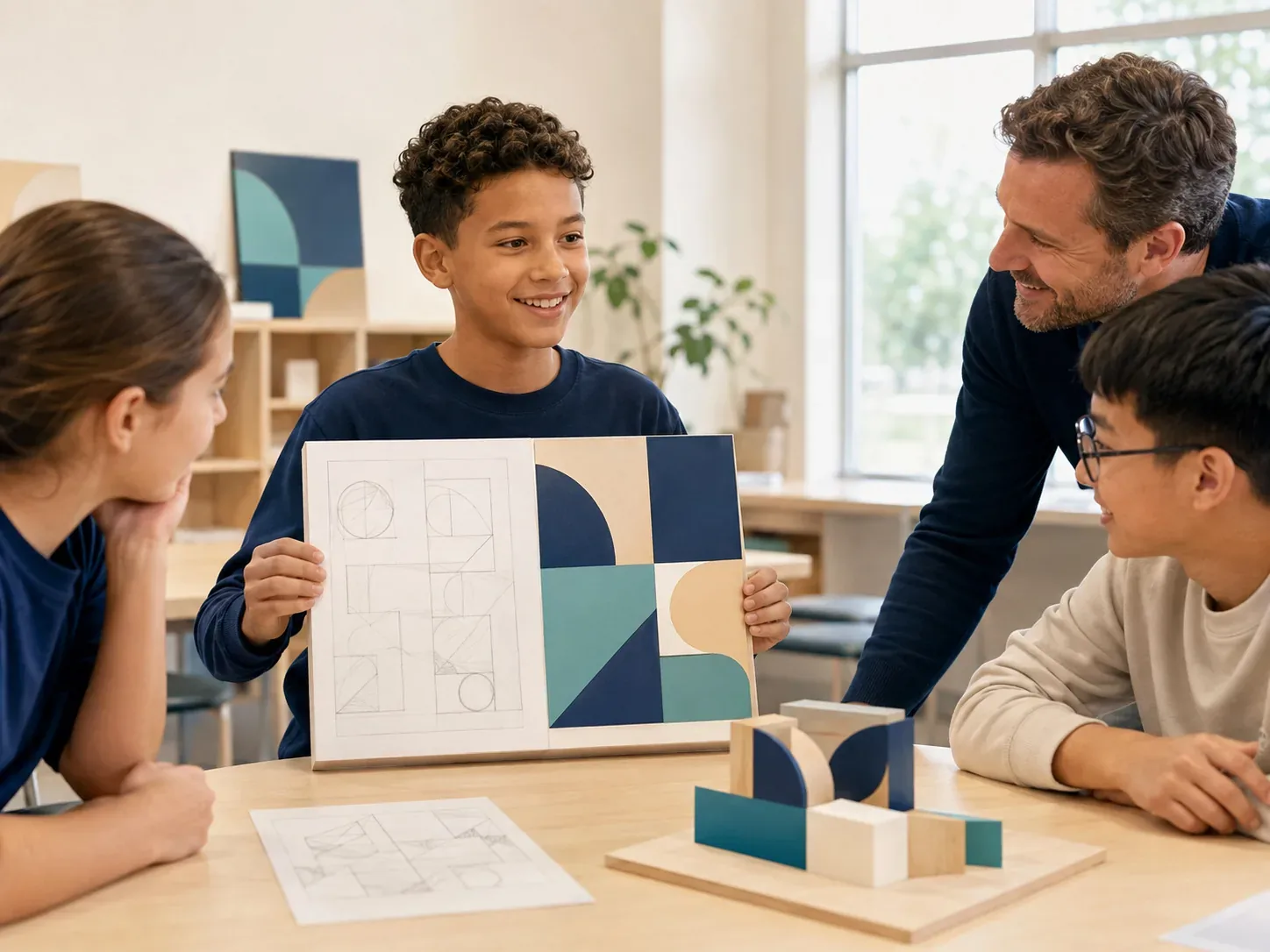
Meaningful progress includes not only what a student gets right, but how independently and thoughtfully unfamiliar work is approached.
Students should be protected from both under-challenge and unnecessary overload. The aim is steady, productive difficulty—not constant frustration.
Tell us about your child and receive a clear recommendation for the most suitable next step.